
Blog

Lisa's Favorite Herb for 2020 - Mullein
Now is the time to harvest this fabulous herb! Mullein grows wild in Ohio and in many other states. I have seen it in Colorado and Utah. The first year it grows as a simple rosette of leaves, soft and fuzzy. The second year it sends up a stalk, anywhere from 2-8 feet tall.
Now is the time to harvest this fabulous herb! Mullein grows wild in Ohio and in many other states. I have seen it in Colorado and Utah. The first year it grows as a simple rosette of leaves, soft and fuzzy. The second year it sends up a stalk, anywhere from 2-8 feet tall. As a biennial it lives only two years, then it reseeds and the cycle begins anew. You will find it along roadsides, or building sites, where the earth has been disturbed. It loves poor soil, so will thrive just about anywhere. Try to harvest it in a location free of car exhaust fumes, fertilizers, or pesticides.
Each day I go out to my garden and harvest 4-5 yellow flower petals from each mullein stalk. It is a long process to fill a small bowl. These mullein flowers are like gold, very precious. They cannot be bought…only harvested by hand. The flowers are used to make the best earache oil.
Mullein & Garlic Ear Oil
In the top of a double boiler, place 1 Tbsp. each mullein flowers and chopped garlic. Cover them generously with olive oil, a little over 1 ounce. Fill the bottom half of the pot with water. Place oil half over the water half and simmer lightly for 15-20 minutes. Strain off oil and place into a bottle with a dropper. Use to soothe earaches. Place 3 drops in the ear, follow with a bit of cotton, 1-2 times daily as needed. This oil generally lasts for 6 months, so make a new batch each summer.
After the flowering is done, you can harvest the leaves. I lay the leaves flat to dry on a table. Or you can hang the whole stalk upside down to dry. Once the leaves are dry, I tear them into ½ inch pieces and store in a canning jar. Check the lid after about 3 days, if you find moisture, lay the leaf out to dry a bit longer. Then store it in a cool, dark place. Don’t forget to label your jar with herb name and date.
Dr.Christopher’s Lung & Bronchial Tincture
¾ cup mullein & ¼ cup lobelia
Place dried herbs in pint canning jar. Cover with vodka. Use a piece of plastic over the jar before using the metal lid. Let sit for 14 days, shaking daily. Then strain out herbs and discard. Place tincture in dropper bottles. Use one dropper as needed or 3-4 times a day, to help dispel mucus from the lungs and throat.

I allow the stalk to dry laying in the garden. Then in the fall, I will break up the flowering part to allow the seeds to fall and hopefully, give me mullein for the next year. I am always delighted to find those little fuzzy leaves in my garden. The little first year plants will tolerate being transplanted in the early spring, so you can place them where you want them.
I hope you enjoy making your own herbal medicine with this wonderful herb.
Mullein is my herb favorite for 2020! Have fun!

Make Your Own Healing Wound Paste
When you have a wound, let it bleed a bit, that will help to clean it out. Don’t panic. Remember that facial wounds may bleed profusely. I usually will wash off the wound with running water and use colloidal silver on it to disinfect the wound.
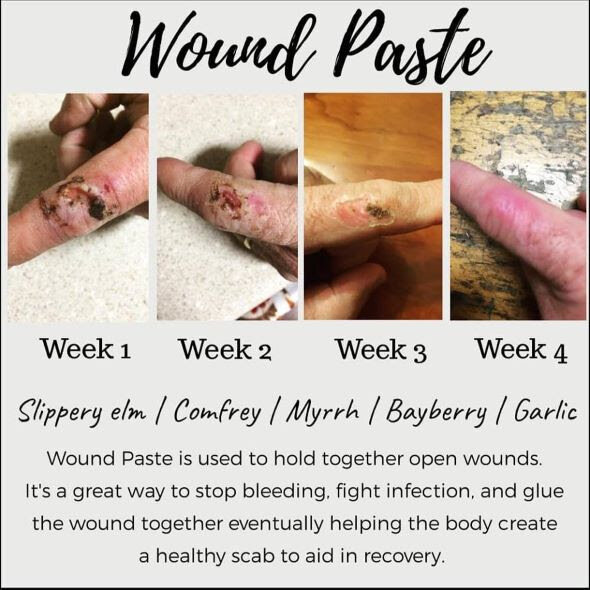
Healing Wound Paste
Mix together - 1 Tbsp. of each herb in powder form: comfrey root, slippery elm, myrrh, ½ Tbsp. bayberry root, and ¼ Tbsp. garlic
Store powder in a tightly covered jar. This is a perfect addition to your first aid kit.
When you have a wound, let it bleed a bit, that will help to clean it out. Don’t panic. Remember that facial wounds may bleed profusely. I usually will wash off the wound with running water and use colloidal silver on it to disinfect the wound. Then pour on a bit of the healing wound powder right into the wound and apply pressure to stop the bleeding. Sometimes I will add silver to the powder and apply the paste into the wound. Add more powder as needed and then bandage to keep clean.
The next day add more powder if you need to and put on a clean bandage, but do NOT clean out the wound again. Keep an eye on it, looking for infection. The wound will heal from the inside out. The powder will help to stop the bleeding, and act a bit like stitches to hold the wound together, allowing it to heal from the inside out. Never put the powder on an old or infected wound, as it may actually seal the infection inside the tissue causing a deeper problem. I have used this wound paste many times with my family and seen wonderful healing, many times leaving no scars.
Now is a good time to gather the things you might need for those summer activities with your family. Be prepared with your natural first aid kit!
Have a happy and safe summer!

Virus Worries???
This year has held a lot of sickness: flu, coughs, pneumonia. In the shop the immune system shelves were looking empty, so I have ordered in new stock to make sure we are prepared. Please stop in and pick up a little extra, just in case. Here are some ideas of products to always have on hand to boost your immune system.
Virus Worries???
Me too. As a mother and grandmother I have a lot of people to worry about. It is in times like these that I remember Joyce Meyer’s story of worry being like a rocking chair - there may be a lot of movement, but it isn’t going anywhere! So instead of worry or even panic, I suggest we pray & prepare.
If you wait until an epidemic is upon us, you may not find the remedies you will need to help your family. I suggest a bit of stocking up ahead of time. No, we don’t have to turn into “end of the world preppers”, but we don’t have to stick our heads in the sand and do nothing either. How much food and medicine do you have in your house right now? How long would it take for all the shelves in local stores to be empty if people panicked? It isn’t crazy to have a bit stashed ahead in case of any disaster. You want to be able to help your family, friends, and community if possible.
This year has held a lot of sickness: flu, coughs, pneumonia. In the shop the immune system shelves were looking empty, so I have ordered in new stock to make sure we are prepared. Please stop in and pick up a little extra, just in case. Here are some ideas of products to always have on hand to boost your immune system.

Vitamin C – researchers found that an intake of 200 mg or greater, reduced the duration and severity of common cold symptoms. In extreme physical stress, such as experienced by marathon runners and skiers, vitamin C reduced the common cold risk by half.
Elderberry– one of the best antivirals that I know. I take Elderberry D3fense every day. It has 2000mg of vitamin D3 in each capsule, plus the elderberry. Vitamin D also helps to boost the immune system, so it is important to get enough in the dreary winter months. We have elderberry syrup, tea, chewable, capsule, and tincture. So it is available to everyone. If you want to learn how to make your own elderberry syrup, make sure to sign up for our Be Your Own Doctor Class, and we will show you how.
Echinacea – boosts the immune system! I like the Echinacea angustofolia, which is the white coneflower. It has more antibacterial qualities than other varieties, so it is the best for medicine. Also, look for the root, as that has the strongest medicinal qualities. You can easily grow and harvest your own Echinacea for herbal medicine – join our classes to learn how. My personal product favorite is Echinacea Wellness, which is a great combination of herbs to help boost immunity and keep you healthy. This is always in my cupboard.
Oscillococcinum– it took me a month to learn how to pronounce that word! But this is my GO TO for FLU and respiratory illness. It is a homeopathic made from water fowl, so it works on the wet and mucousy types of sickness. It works best at the very beginning of an illness, as does Echinacea. So take it at the first hint of being unwell, and sometimes that one dose is all you need. If you wait until you are really sick, this doesn’t work as well, so make sure you have this on hand for those early stages and fight it off quickly.
Oregano Essential Oil – antibacterial, antifungal, anti-parasitic, antiseptic to the respiratory system, antiviral, and immune stimulant. Oregano oil is generally recognized as safe (GRAS) for human consumption by the FDA. Dilute 1 drop oil in 1 tsp. honey or in ½ cup of beverage. Not for children under 6 years old, and use with caution and greater dilution with children over age 6. Please use only oregano essential oils that are prepared in a pure form for internal consumption.
Silver Shield – Silver nanoparticles exhibit strong antimicrobial activity and have been shown to be non-toxic and virtually free of any side effects. This product poses no risk of heavy metal contamination as the nanoparticles are eliminated from the body within 48 hours. Silver is increasingly being used for medical purposes and is registered as a biocidal material since 1954. It has been used for public health hygiene, to purify water, and to combat a broad range of pathogens including bacteria, viruses, and fungi. Silver is currently used in dental device coatings, stents, catheters, wound dressings, bone prostheses, cardiac devices and surgical fabrics. Numerous studies have shown positive results in using silver with Staph, Streph, MRSA, pneumonia, candida, H1N1, HIV, and HPV, just to name a few. Be prepared with silver shield (liquid & gel) in your medicine cabinet. Just a note – silver is great for pets too, ask me how I use it with my dog, Mozart.
I could continue writing about more wonderful immune system products, but our time is short. So stop into the shop and I will help you to pick out exactly which products meet your needs. Remember, let’s not panic, just pray & prepare!

"Grandma, Why Do You Move So Slow?"
This was the question my 4 year old granddaughter asked me a few weeks ago. Funny, I didn’t even realize that I was moving slow. In fact, as she brought it to my attention, I realized that I was in pain.
“Grandma, why do you move so slow?”
This was the question my 4 year old granddaughter asked me a few weeks ago. Funny, I didn’t even realize that I was moving slow. In fact, as she brought it to my attention, I realized that I was in pain. Sometimes, as we get older, we just tolerate the aches and pains, perhaps incorrectly thinking that there is nothing we can do about it. Is pain just part of getting older? I refuse to accept that idea! In fact, I have found curcumin to be one of the BEST solutions to this problem. I take curcumin EVERY day and if I could afford only one supplement, it would be curcumin!

Not all curcumin is created equal, some brands work better than others. Curcumin comes from Turmeric Root, and is a well-known antioxidant and anti-inflammatory. Over 10,000 clinical studies have been done on curcumin. The company that I love and trust is Terry Naturally. I use their CuraMed 750mg every day. One of these soft gels is equivalent to 500 Turmeric capsules!!! It has a special molecular structure, called BCM-95, which allows it to be absorbed better. They also add Turmeric essential oil, to add to its absorbability.
Then if I have done too much in the garden, or I have rearranged the furniture, and find I am in pain, I take 2-3 Curamin tablets, extra strength. These provide quick pain relief, in 20 minutes! Terry Naturally Curamin contains the same curcumin we talked about above. Also, Boswellia, an Ayurvedic herb great for inflammation and DLPA (DL-phenylalaninine), which works in the brain. Curamin is safe, effective, and non-addictive. I love pain relief without side effects!

10 Reasons to Use Curcumin Every Day
(Information taken from a brochure from Terry Naturally *These statements have not been evaluated by the food and drug administration. This product is not intended to diagnose, treat, cure or prevent disease.)
1. Healthy Inflammation Response
Curcumin supports a healthy inflammation response through multiple pathways in the body, providing remarkable health benefits.
2. Cellular Health
Multiple scientific studies have highlighted curcumin’s ability to support cellular health, protect DNA and RNA from oxidative stress, and support multiple cellular processes.
3. Mood
Curcumin supports healthy levels of serotonin and dopamine in the brain, key neurotransmitters for optimal mental health. Clinical studies show curcumin’s effectiveness for enhancing mood and well-being.
4. Kidney Support
Supports healthy kidney function.
5. Joint Health
Curcumin maintains flexibility and comfort in joints while supporting cartilage structure.
6. Brain Health
Curcumin helps maintain focus and concentration while protecting brain cells from oxidative stress. The intelligent choice for cognitive health!
7. Intestinal Health
Curcumin supports healthy bile secretion, bowel motility, and fermentation processes while supporting the gut mucosal lining.
8. Liver Detoxification
Research suggests that curcumin promotes healthy levels of the body’s own detoxifiers, such as glutathione and superoxide dismutase.
9. Cardiovascular Healthy
Scientific studies have indicated that curcumin supports vascular integrity and healthy cholesterol balance and supports heart function.
10.Antioxidant
Curcumin powerfully protects the body from damaging oxidative stress. ORAC value 1,500,000

Mullein: "The Respiratory Herb"
Mullein is one of my favorite herbs to have on hand for winter. I used it often in our home while raising my children and now for my grandchildren. It is soothing for respiratory symptoms, coughing, drainage down the back of the throat, or earaches.
Mullein is one of my favorite herbs to have on hand for winter. I used it often in our home while raising my children and now for my grandchildren. It is soothing for respiratory symptoms, coughing, drainage down the back of the throat, or earaches. Mullein, Verbascus thapsus, grows in fields and along the side of the road in Ohio. You may even find it in the crack of the driveway. It loves poor soil. Mullein is a biennial, which means it only lives for two years. The first year it grows in a simple rosette of soft, fuzzy, oblong leaves. The second year it sends up a tall stalk and blooms with tiny yellow flowers. Leave the stalk to release seeds for the next year.
You can use flowers, leaves, and roots for herbal medicine. I use the leaves the most, as an expectorant and bactericidal, wonderful for the respiratory system. Its long list of traditional herbal uses include: allergies, asthma, bronchitis, broken bones, coughs, croup, diarrhea, earaches, emphysema, swollen glands, lungs, swollen joints, and pain. It also has sedative properties. Mullein flowers can be used as an antiseptic for wounds, to prevent infection, and soothe nerve pain. I love to make earache oil from the flowers. I call it, “liquid gold”, because you have to go out each day to pick just a few flowers and save them up until you have enough to make the oil. Mullein roots have uses too – make into a tincture for bedwetting, symptoms of facial nerve pain, or for bones when something seems “out of joint”.
I have used mullein for swollen glands in the neck. Make a tea of the leaves, add peppermint and sweeten if you like, and drink a quart a day. Also make a strong tea to use externally on a cloth over the swelling. You will quickly see the lymphatic inflammation go down in the gland. You can also dip a whole fresh leave in hot water and use it as a poultice on the swelling.
I have seen mullein do wonders for people just out of the hospital with bronchitis or complications of COPD.Mullein tea makes a very inexpensive, safe, and effective herbal medicine! A favorite combination for use with asthma or other breathing difficulties is to use 3 parts mullein with 1 part lobelia in a tincture form. See Dr. Christopher’s writings to learn more about how to use mullein to help with breathing and opening up the bronchial airways.

Nature’s Sunshine has a terrific formula called ALJ. I use it and keep it as a staple in my herb cupboard. I like to make it into a glycerite tincture for my granddaughter, as she likes the taste of my homemade remedy better. This recipe is tried and true – it works! I use it as a decongestant/expectorant with colds and allergies. Here is how I make it.
Lisa’s Version of ALJ – In a pint jar place one-fourth cup of each herb: Boneset, Fennel Seeds, Fenugreek Seeds, Horseradish Root, and Mullein Leaves. In a large measuring cup mix together: One and one-third cup hot water with two-thirds cup vegetable glycerine. Pour the liquid over the herbs in the jar, make sure the herbs are covered well. Screw on lid. Let set for 2 weeks, shaking the jar daily. Strain and put liquid into a tincture bottle. Dose: 2 dropperfuls every 2 hours for an adult for 3 days, as you feel better reduce the dose to 3 times a day. May use once a day for more chronic allergies, usually in the morning. To figure a child’s dose, go by body size – half an adult size body gets half a dose (1 dropperful), a smaller child maybe one-fourth a dose or half a dropperful.
Directions for Earache Oil – Collect as many mullein flowers as you can, dry them slightly by laying them out for a few days on a plate. Place the wilted and dried flowers in a glass canning jar that is size appropriate to the amount of flowers you have gathered, they should only fill it halfway. Cover the flowers generously with olive oil. Screw on lid. Let set for 2 weeks, shaking daily. Strain and place in a tincture bottle with dropper. To use, warm the oil by setting the bottle in a glass of hot water, test the oil on your wrist. Place 3 drops warm oil in the ear, followed with half a cotton ball to keep it warm. Use as needed for the pain.
Take the time to gather your herbs, dry them, and make your tinctures and oils before you actually need them. Be prepared with these wonderful remedies at home. Save money, use less drugs, have less need for doctor’s appointments, and keep your family healthy! Call ME, your local herbalist, if you need help.

Warm Up With Teas That Heal
Have you had a cup of tea today? Herbal teas are fantastic tonics for the body. They are one of the quickest and easiest ways to use herbal medicine, as there are no capsules to digest and the liquid quickly goes into the digestive system.
Have you had a cup of tea today? Herbal teas are fantastic tonics for the body. They are one of the quickest and easiest ways to use herbal medicine, as there are no capsules to digest and the liquid quickly goes into the digestive system. A medicinal tea is made with one teaspoon dried herb, to one cup of boiling hot water, and steeped for 15 minutes. Drink a cup of herbal tea three times a day for a therapeutic dose. These are some of the most popular herbal teas you might want to try.
Dandelion, Taraxacum officinale: so popular that it needs no description…it is in every yard! Be careful to harvest where is has not been sprayed with herbicides. Dandelion contains: Vitamins A, B, C, D, iron, potassium, sodium, calcium, and electrolytes. The leaves are nutritious and the roots medicinal. Dandelion’s bitter leaves are diuretic, easing water retention and reducing blood pressure. It is the great detoxifier, cleansing the liver, kidneys, urinary system, and skin. Dandelion is useful for chronic conditions such as arthritis, removing the toxins from joints. It reduces the cell damage done by free radicals. Parts used: leaves and roots.
Coneflower, Echinacea angustifolia, purpurea, or pallida: native to North America, this perennial has large daisy-like flowers with a cone center. All three varieties stimulate the immune system, although the angustifolia is considered the most medicinal having the antibacterial echinacoside. Stimulating the production of white, ”killer” cells and regulates red blood cells, echinacea works on a cellular level to fight bacteria, viruses, fungus, and microbes. Echinacea is a lymph system cleanser, tumor inhibitor, blood cleanser and antiseptic. It removes toxins and fights infections. As an immune stimulant it should not be taken continuously, but only for short periods with a break…two weeks on with one week off. Nutritionally, Echinacea contains B vitamins, iron, calcium, selenium, and silica. Parts used: roots.
Ginkgo, Ginkgo biloba: the oldest known tree, it is in the fossil record along with the dinosaurs. Ginkgo has an amazing ability to withstand toxic environments and was the only living thing to survive the atomic blast at Hiroshima. It can grow 150 feet tall, or be trained as a bonsai tree. Ginkgo may be used to combat an allergic reaction. The tea makes an excellent throat spray for allergies or asthma. Ginkgo is respected for use in circulation problems, especially increasing circulation to the brain and extremities. It is high in antioxidants, which works especially to keep the heart free of deposits. Ginkgo soothes the arteries, steadies an irregular heartbeat, and helps to prevent strokes. Parts used: leaves.
Mullein, Verbascum thapus: native to North America, mullein is a tall biennial with wooly leaves and a spike of yellow flowers. Mullein is one of the greatest herbs for the respiratory system, helping the body to rid itself of mucus. The antibacterial flowers are used as an oil to soothe earaches. It is soothing and anti-inflammatory to the glandular system. Mullein has narcotic properties without being harmful. It is a great herbal pain killer, calming irritated nerves. Parts used: leaves and flowers.
Red Clover, Trifolium pratense: perennial, growing wild in North America and cultivated as a hay crop. Clover grows 1-2 feet tall, its green leaves having three leaflets with a distinctive V-shaped marking, and pink/purple glove-shaped flowers. It has a long history of use in respiratory infections, coughs, colds, and bronchitis. Red clover tea is known as a blood cleanser, helping persistent skin problems, eczema or psoriasis. It also makes an excellent wash for the eyes or skin. Red Clover has historically been used in cancer prevention formulas. It has phytoestrogens which may help to balance female hormonal issues. Parts used: flowers.
Red Raspberry, Rubus idaeus: native to Europe, it grows wild and is cultivated in North America. Raspberry leaves are very astringent, excellent as a treatment for diarrhea or vomiting. Raspberry tea is a wonderful herb for women, particularly in pregnancy to prevent miscarriage or uterine hemorrhage, and to tone the pelvic muscles. Raspberry has vitamins A, B-complex, C, E, calcium, niacin, iron, magnesium, potassium, selenium, and zinc. It is a great tea for children, helping with canker sores. Parts used: leaves and fruit.
Lisa Purdy is not a physician and all recommendations are not to be considered diagnosis or prescription. Any information is for educational purposes only.
You are responsible for your own health choices.
What is In Your Medicine Chest?
Did you know that there are natural alternatives to most of the everyday drugs you rely on? You can improve your health by taking the time to evaluate your drug choices and bring in more natural remedies.
Drugs with a lot of side effects?
NSAIDS have been shown to harm the liver, kidneys, and stomach lining. Is that really what you want to take for that headache or PMS cramps? I use a homeopathic remedy called Formula 303. It combines valerian root, passionflower herb, and magnesium into a fantastic little pain reliever. I keep this in my purse and use it as my first go to for headache pain.
Pain and inflammation a little more intense? Maybe a little too much snow shoveling or work in the garden? Then I use Curamin X Strength – pain relief in 20 minutes. Any side effects? Nope!
Feeling nausea, bloating, gas, upset stomach? I keep a jar of crystallized ginger by my desk for any time my tummy feels off. It is great to take on trips for motion sickness too!
Digestion problems more intense? Relying on antacids? Did you know they have a very bad form of calcium that can build up in the body? Think kidney stones, bone spurs, or inside your arteries – whoa, definitely a bad idea! Try digestive enzymes instead – these help to break down the food in your stomach, solving the cause of distress.
Did you know that there are natural alternatives to most of the everyday drugs you rely on? You can improve your health by taking the time to evaluate your drug choices and bring in more natural remedies. Be Your Own Doctor classes start in March if you want to learn more!
Medicine Chest Makeover Challenge!!!
Go thru each item in your medicine chest. Evaluate side effects and target drugs you want to replace. Check for out of date items and throw them away – yes it is ok to get rid of them! As each drug in your medicine cabinet runs low, find a natural alternative to replace it. One choice at a time – you can live more naturally! Need help? Make an appointment with your herbalist for assistance.
Lavender, Glorious Lavender
Lavender is probably our best selling essential oil. It is well-known and appreciated for its many qualities. If you can afford only one essential oil, buy lavender. It is balancing, calming, relaxing, and helps you to sleep.
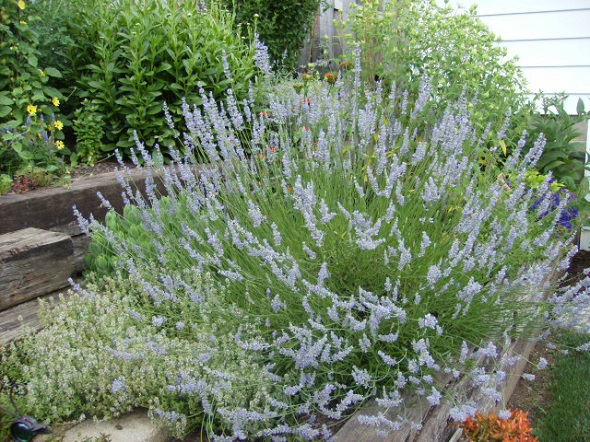
This year in my herb garden, I grew the biggest, most beautiful lavender plant that I have ever grown. Ohio is not the best place to grow lavender, as it usually likes a warmer climate. So many times my lavender has not returned after the winter. This plant was 3 years old and gorgeous! I purchased this lavender plant from companionplants.com who brings wonderful herbs to our annual plant sale every year. I think it was called Grosso Lavender. I harvested every flower and filled a laundry basket with them. I then watched a youtube video (my children would be proud to see that I used technology!) and I learned how to make a lavender wreath. Come into the store and see my creation. I confess it was harder to do than it looked in the video, but after three tries I had a wreath I could enjoy. I love to play in my garden, learning to make things that I can use, and share them with others. What fun!
Another way that I enjoy lavender is in tea. I like the Cup of Calm from Traditional Medicinals. This tea blend contains: passionflower, chamomile, lavender, catnip, rosemary, peppermint, spearmint, licorice, and stevia. It has a mild flavor and is deeply relaxing. I always keep it on the shelf at home and frequently share a cup in the store with someone who is a bit stressed and needs a friend. A box of this tea is the perfect addition to any “care package”, it makes a great gift!
Lavender is probably our best selling essential oil. It is well-known and appreciated for its many qualities. If you can afford only one essential oil, buy lavender. It is balancing, calming, relaxing, and helps you to sleep. Lavender oil is also anti-inflammatory, antibacterial, antiviral, antispasmodic, analgesic, and stimulating to the immune system. Lavender is great to have in a first aid kit, useful for wounds, rashes, bites, and burns. It is one of the essential oils that you can use “neat” or directly on the skin. It is often used in personal care products and works well in a diffuser for aromatherapy. Lavender is an excellent choice for use with children or the elderly.
Tension Headaches Inhaler – Open the empty inhaler and drop the essential oils directly onto the wick. Use 8 drops lavender, 5 drops marjoram, and 3 drops peppermint essential oil. Close tightly. To use the inhaler: slide off the cover, with one finger press closed the left nostril, inhale from the tube into the right nostril. Repeat on other side. Exhale thru the mouth. Repeat both sides again. Inhale as needed to ease headache, clear the brain, and lessen tension.
We carry the empty inhalers, and would be happy to assist you to make an inhaler at our “Blend Your Own Essential Oils Bar”. Stop in to the store and learn how to create something you can use yourself or give as a gift.

Women's Herbal Tea Recipe
This herbal tea has traditionally been used worldwide for its toning and nourishing qualities during pregnancy, breastfeeding, PMS and menopause.
This herbal tea has traditionally been used worldwide for its toning and nourishing qualities during pregnancy, breastfeeding, PMS and menopause.
To prepare tea: Mix the following herbs together and store in an airtight jar. Use ¼ cup of the herbs in a quart jar, cover with boiling water. Cover the jar and leave overnight. In the morning, strain tea, discarding the used herbs. You may dilute or sweeten tea if you like. Drink the quart of tea throughout the day.
Use 1 cup each: alfalfa, nettles, oatstraw, red raspberry leaves and ½ cup rose hips. My good friend likes to add peppermint leaves and stevia leaves to her tea mix, so you might want to try that variation too.
Alfalfa: one of the richest mineral foods in the world, contains calcium, magnesium, phosphorus, potassium, chlorophyll, biotin, chlorine, inositol, iron, PABA, sodium, sulfur, tryptophan, vitamins A, B complex, C E, and K. Restorative tonic which promotes pituitary gland function. It alkalizes the body, helping with arthritis, gout, and kidney function. It tones the intestines. Alfalfa is high in tryptophan, inducing better sleep. It is also antifungal.
Nettles: rich in chlorophyll, it contains iodine, magnesium, potassium, silicon, sodium, sulfur, vitamins A and C, facilitates absorption of vitamin D from the sun, proteins, iron and copper. Nettles tone and rebuild the adrenals. They help with energy levels, allergies, and kidneys. Nettles also improve muscle tone, reducing post-partum hemorrhage and vaginal tears. It promotes abundant breast milk. Nettles improve liver function, reducing jaundice, stabilizing blood sugar, and strengthening the nervous and immune systems.
Oatstraw: builds a strong resilient body, it contains calcium, high in vitamins A, C, B complex, phosphorus, potassium, and proteins. Oatstraw contains Avenin, an alkaloid which is highly nutritive to cells, improving reproduction. It is a premier food for the brain and nervous system, reducing anxiety, epilepsy, and assists addiction recovery. Oatstraw improves muscle tone, digestion, uterine function, back weakness, reducing leg cramps, and heart palpatations.
Red Raspberry: the most well-known pregnancy herb, it contains citric and malic acid, silicon, vitamins C, B, niacin, carotene, magnesium, manganese, molybdenum, selenium, and improves vitamin D absorption. Red raspberry tones the muscles, especially in the uterus, reducing spasms and improving labor contractions. It tones and nourishes the ovaries and is beneficial to the pituitary gland, helping to reduce nausea and morning sickness. It is also useful for menstrual cramps and hot flashes. Due to its astringent qualities, it is used for mouth ulcers, bleeding gums, hemorrhage, hemorrhoids and cold sores. Its high mineral content promotes healthy nails, bones, teeth, and skin. Red raspberry is an excellent tea for children with a natural source of vitamin C to help fight off a cold.
Rose Hips: a good all-around tonic, specifically used for the blood, nerves, and heart. Rose hips are excellent for nervous and stressful situations. It contains vitamins A, C, E, rutin and sodium. With high amounts of calcium, iron, selenium, magnesium, potassium, manganese, sulphur, and silicon. Trace amounts of vitamin D and zinc.

Is Your Heart Healthy?
One of the most common things people ask me about is heart health. What supplement can I take to help lower my blood pressure? Is there something I can do to lower my cholesterol?
One of the most common things people ask me about is heart health. What supplement can I take to help lower my blood pressure? Is there something I can do to lower my cholesterol? Actually, yes there are several things you can do to strengthen your heart and arteries. Let’s discuss a few of the most common supplements used for heart health.
Hawthorn Berry – One of my favorite herbs! Hawthorn berry is first herb which comes to my mind for strengthening the heart muscle. It is considered a cardiac tonic, increasing oxygen utilization and enzyme metabolism in the heart muscle. Hawthorn berry helps a damaged heart work more efficiently. It is useful for arrhythmias and heart valve problems. It dilates blood vessels, allowing blood to flow freely, thereby lowering blood pressure.
Garlic – Lowers blood pressure and cholesterol, discourages platelet aggregation, and contains helpful antioxidants. Many studies have shown garlics ability to lower LDL cholesterol and triglycerides, while raising protective HDL cholesterol. One average size clove of garlic contains 4,500 mcg of allicin, the smelly but active component of garlic.
Red Yeast Rice – This traditional Chinese remedy is the fermented product of red yeast cultivated on rice. Lovastatin is a drug that was synthesized from a substance in red yeast rice. Like the statin drugs, red yeast rice lowers LDL cholesterol and triglycerides, and raises HDL, but in a safer, gentler manner. The recommended dose of red yeast rice is 1,200-2,400 mg per day. Do not take red yeast rice if you are on a statin drug.
Fish Oil – One of the most potent therapies for heart disease! Helps with inflammation, blood clotting and platelet aggregation, cholesterol and triglycerides. Look for high-quality fish oil that is harvested in northern waters and has been tested for mercury contaminants. The recommended dose for heart health is 2000 mg daily. Look for softgels which are enteric coated, meaning they open in the intestines instead of the stomach, solving the bad taste, burping, or upset feeling fish oil might otherwise cause.
CoQ10 – Coenzyme Q10 is the spark plug that gets things going! Its main role is in the energy production within your cells; because the heart beats more than 100,000 times every day, you need that energy! CoQ10 stabilizes heart muscle cells and protects them from free radical damage. It can reduce chest pain, lower blood pressure, help arrhythmias, and improve exercise tolerance. Studies at the Whitaker Wellness Institute have shown CoQ10 to prolong the life of patients with heart failure and even reverse their condition.
Yes, what you eat and the supplements you take can make a huge difference in heart health! To further pursue this subject I suggest the book, Reversing Heart Disease by Julian Whitaker MD. Give your heart the nutrients it needs to keep your body going…and going strong!

Chronic Eczema
Chronic skin problems such as eczema are challenging. They can be hereditary, allergies, or the result of toxin exposure. Always try to eliminate the cause if you can. In children, the most common allergies are cow's milk and eggs, so you might begin with eliminating those
I hope you had fun at the county fair this year. I know we enjoyed seeing all of you at our booth. It is nice to get away from routine, have a little fun, and of course eat fair food. I especially enjoyed hearing some of the success stories that customers took time to share with me. One in particular stood out to me, a child around 5 years old with severe eczema, a problem since birth.
Her mother shared the exciting news of how essential oils were making all the difference. She uses Dragon's Blood in coconut oil applied daily. I was pleased that she had no visible signs of eczema, what a blessing! Essential oils are amazing!
Chronic skin problems such as eczema are challenging. They can be hereditary, allergies, or the result of toxin exposure. Always try to eliminate the cause if you can. In children, the most common allergies are cow's milk and eggs, so you might begin with eliminating those. Use very gentle soaps and shampoos, such as castile, to eliminate chemicals. Many find it nice to make their own skin care products using healing essential oils and leaving out the chemicals. You also could do some internal cleansing with herbs such as burdock or red clover. A deficiency in omega-3 fatty acids may also contribute to the condition. Also, be sure to drink enough water. Try these blends for relief from dry, itchy, irritated skin and keep the skin moisturized so it doesn't crack and weep. (Recipes are from the book: the Complete Aromatherapy & Essential Oils Handbook for Everyday Wellness, by Nerys Purchon and Lora Cantele.)
DRY ECZEMA OIL BLEND
8 tsp. grapeseed, almond, or hemp oil
10 drops evening primrose oil
10 drops chamomile essential oil
5 drops myrrh essential oil
5 drops lavender essential oil
CREAM BLEND FOR WEEPING ECZEMA
¼ cup shea butter
15 drops lavender essential oil
15 drops frankincense essential oil
15 drops myrrh essential oil
10 drops chamomile essential oil
2 drops vitamin E oil

Do You Suffer With PMS?
Don't accept that PMS is just a "fact of life" or something to "live with"...You can make changes that will improve the quality of your life!
I have been reading a fascinating book, "Your Body Can Talk", by Susan Levy and Carol Lehr. I thought I would paraphrase what I have read, and share their fascinating information about PMS with you. I recommend the book and give them full credit for the information. They describe four types of PMS, or Premenstrual Syndrome, that may affect women during their menstrual cycle. Which type are you?
Type A ...PMS - Anxiety
Do you experience mood swings, nervous tension, anxiety, or irritability? Do you suffer with excessive worry, feel vulnerable, fearful, or insecure at certain times during the month? Herbal stress relief formulas, BACH flowers, Homeopathics, or Amino Acid supplements may help to balance these overly stressed women. Eat foods which promote calm within the body. Avoid excessive salt, as it may cause the body to retain up to five pounds of fluid. With this water retention, the brain actually swells, causing intense anxiety and mood swings. B Vitamins can be very helpful to balance the nervous system, along with minerals, chromium, zinc, and magnesium. Reduce the stress in your life as much as possible, and use methods to deal with stress positively. Change your thinking patterns, treat yourself to a massage, or join a yoga class.
Type C...PMS - Craving
Do you experience headache, increased appetite, fatigue, dizziness, fainting, or heart pounding? Those women, who have a tendency to hypoglycemia, may find symptoms intensified prior to menstruation. They may experience compulsive intense sugar cravings a week or ten days before their period. Once sugar is eaten, the body chemistry is thrown off balance, blood sugar levels lower, and headaches may result. Sugar cravings may signal the need in the body of other nutrients, such as chromium, magnesium, or zinc, and oddly enough excessive sugar intake depletes the body of these same minerals - a vicious cycle. Chocolate cravings, common at this time, may signal the need for magnesium. Providing a diet abundant in vegetables will help to supply these minerals needed by the body. Chlorophyll is very close in molecular structure to blood and is great for replenishing the hemoglobin in blood. Heavy bleeding is often a common problem for women. Make sure you are taking in the nutrients needed...more green vegies and whole grains in your diet!
Type H ...PMS - Hyper hydration
Do you experience weight gain, swelling of extremities, breast tenderness, or abdominal bloating? Do you have blotchy red cheeks or areas of blotchy red around the throat or thyroid? Do you have sore, tight muscles, stiffness, puffiness, or feel swollen with water retention? Inflammation is a key word for these women. It is important to figure out which foods are irritating and causing inflammation. Make efforts to eliminate these from the diet. Suspect wheat or dairy as possible sensitivities. Generally, these women should avoid salt, processed foods, coffee, soda pop, some teas, and ibuprofen (which contains caffeine). Be aware of the hormones in meat, as they can be very inflammatory. B-vitamins, magnesium, flaxseed oil, and diuretic herbs may be helpful. Herbs such as dandelion, parsley, alfalfa, shave grass, uva ursi, may be used for short periods of time to get the excess water off. Marshmallow is an herb which may help to soothe the inflammation. The omega-3 rich flaxseed oil is like a water hose, putting out the fire!
Type D ...PMS - Depression
Do you experience depression, forgetfulness, crying, confusion, or insomnia? Are you emotions intensified reactions to normal every day circumstances? Are you lethargic and irritable? Sometimes these women may even experience suicidal tendencies. Women who suffer this kind of depression may not have enough estrogen to counterbalance the progesterone. So the phytoestrogens in herbs and foods may be helpful in helping the body produce estrogen. Soy, red clover, and black cohosh are three commonly used herbs. Excess lead in the body may also be a factor for type D; hair analysis may confirm this as a problem. These women should avoid sugar and refined carbohydrates, coffee, soda pop, alcohol, and intense spices. Instead they should rely on fruits, vegetables, and whole grains. Soy products, pumpkin seeds, and almonds may be beneficial. Supplements to help include: B and E vitamins, magnesium, zinc, Tyrosine, L-Phenylalanine, L-Glutamine, Choline, Valerian, and Passionflower. Phytoestrogen and progesterone is also available in creams and may be very useful for PMS symptom.
I find the dividing of PMS symptoms into types to be helpful in discovering the cause of the hormonal imbalance and finding solutions to bring the body back into balance. Don't accept that PMS is just a "fact of life" or something to "live with"...You can make changes that will improve the quality of your life!