
Warm Up With Teas That Heal
Have you had a cup of tea today? Herbal teas are fantastic tonics for the body. They are one of the quickest and easiest ways to use herbal medicine, as there are no capsules to digest and the liquid quickly goes into the digestive system.
Have you had a cup of tea today? Herbal teas are fantastic tonics for the body. They are one of the quickest and easiest ways to use herbal medicine, as there are no capsules to digest and the liquid quickly goes into the digestive system. A medicinal tea is made with one teaspoon dried herb, to one cup of boiling hot water, and steeped for 15 minutes. Drink a cup of herbal tea three times a day for a therapeutic dose. These are some of the most popular herbal teas you might want to try.
Dandelion, Taraxacum officinale: so popular that it needs no description…it is in every yard! Be careful to harvest where is has not been sprayed with herbicides. Dandelion contains: Vitamins A, B, C, D, iron, potassium, sodium, calcium, and electrolytes. The leaves are nutritious and the roots medicinal. Dandelion’s bitter leaves are diuretic, easing water retention and reducing blood pressure. It is the great detoxifier, cleansing the liver, kidneys, urinary system, and skin. Dandelion is useful for chronic conditions such as arthritis, removing the toxins from joints. It reduces the cell damage done by free radicals. Parts used: leaves and roots.
Coneflower, Echinacea angustifolia, purpurea, or pallida: native to North America, this perennial has large daisy-like flowers with a cone center. All three varieties stimulate the immune system, although the angustifolia is considered the most medicinal having the antibacterial echinacoside. Stimulating the production of white, ”killer” cells and regulates red blood cells, echinacea works on a cellular level to fight bacteria, viruses, fungus, and microbes. Echinacea is a lymph system cleanser, tumor inhibitor, blood cleanser and antiseptic. It removes toxins and fights infections. As an immune stimulant it should not be taken continuously, but only for short periods with a break…two weeks on with one week off. Nutritionally, Echinacea contains B vitamins, iron, calcium, selenium, and silica. Parts used: roots.
Ginkgo, Ginkgo biloba: the oldest known tree, it is in the fossil record along with the dinosaurs. Ginkgo has an amazing ability to withstand toxic environments and was the only living thing to survive the atomic blast at Hiroshima. It can grow 150 feet tall, or be trained as a bonsai tree. Ginkgo may be used to combat an allergic reaction. The tea makes an excellent throat spray for allergies or asthma. Ginkgo is respected for use in circulation problems, especially increasing circulation to the brain and extremities. It is high in antioxidants, which works especially to keep the heart free of deposits. Ginkgo soothes the arteries, steadies an irregular heartbeat, and helps to prevent strokes. Parts used: leaves.
Mullein, Verbascum thapus: native to North America, mullein is a tall biennial with wooly leaves and a spike of yellow flowers. Mullein is one of the greatest herbs for the respiratory system, helping the body to rid itself of mucus. The antibacterial flowers are used as an oil to soothe earaches. It is soothing and anti-inflammatory to the glandular system. Mullein has narcotic properties without being harmful. It is a great herbal pain killer, calming irritated nerves. Parts used: leaves and flowers.
Red Clover, Trifolium pratense: perennial, growing wild in North America and cultivated as a hay crop. Clover grows 1-2 feet tall, its green leaves having three leaflets with a distinctive V-shaped marking, and pink/purple glove-shaped flowers. It has a long history of use in respiratory infections, coughs, colds, and bronchitis. Red clover tea is known as a blood cleanser, helping persistent skin problems, eczema or psoriasis. It also makes an excellent wash for the eyes or skin. Red Clover has historically been used in cancer prevention formulas. It has phytoestrogens which may help to balance female hormonal issues. Parts used: flowers.
Red Raspberry, Rubus idaeus: native to Europe, it grows wild and is cultivated in North America. Raspberry leaves are very astringent, excellent as a treatment for diarrhea or vomiting. Raspberry tea is a wonderful herb for women, particularly in pregnancy to prevent miscarriage or uterine hemorrhage, and to tone the pelvic muscles. Raspberry has vitamins A, B-complex, C, E, calcium, niacin, iron, magnesium, potassium, selenium, and zinc. It is a great tea for children, helping with canker sores. Parts used: leaves and fruit.
Lisa Purdy is not a physician and all recommendations are not to be considered diagnosis or prescription. Any information is for educational purposes only.
You are responsible for your own health choices.
Be Your Own Doctor Class Series
This class series will give you the information and confidence you need to take care of yourself and your family with natural remedies!
Are you ready to learn the basics you need to take care of your family with natural remedies? Or ready to take the next step in your health journey by diving deeper into the world of alternative health.
These classes will give you the information and tools you need to be confidant in taking care of yourself and your family. If you attend all five classes you'll receive a certificate of completion. We are excited to offer this series and look forward to having you join in!
Be Your Own Doctor Class Series – Cost $45 per class or $200 for all 5 classes
Preregistration required – 1 week prior to class date Call 740-689-1111
BE YOUR OWN DOCTOR…HOUSEHOLD REMEDIES March 1 6-8 pm
We will explore simple remedies you can use in the home: apple cider vinegar, castor oil, charcoal, flax seed, onions…and herbs: black walnut, cayenne, chamomile, cloves, comfrey, echinacea, garlic, ginger, peppermint, red raspberry, and slippery elm. We will make teas, poultices, salves, earache oil, toothpaste, and super tonic. Learn to be confident in taking care of your family.
BE YOUR OWN DOCTOR…EMERGENCIES March 8 6-8 pm
Be ready for wounds, sprains, tissue/nerve pain, burns, bug bites, infection, croup, asthma, pneumonia, appendicitis, IBS, bladder/kidney infections, and liver detox. Make a wound powder, tissue and bone formula, chest salve, elderberry syrup, and breathe easy tea. Discover the uses of aloe vera, bentonite clay, cayenne, colloidal silver, elderberries, goldenseal, honey, hydrangea, lavender oil, lobelia, marshmallow, milk thistle, mullein, and turmeric. Be prepared to face health challenges naturally.
BACKYARD PHARMACY…WEEDS THAT HEAL March 15 6-8 pm
Did you ever wonder if the weeds in your yard were good for anything? Yes, they are! Learn about alfalfa, burdock, calendula, chickweed, cleavers, common mallow, dandelion, jewelweed, stinging nettles, plantain, poke, purslane, rose hips, teasel, violets, wild lettuce, and yarrow. Make a tumor tea, calendula shampoo, mallow compress, dandelion chai tea, plantain healing oil/salve, and rose hips syrup. Know how to gather and prepare weeds to be used for herbal medicine.
BE YOUR CHILD’S PEDIATRICIAN March 22 6-8 pm
In this class, learn how to be prepared to care for your child. Beginning with pregnancy, birth, and infant care, we will discuss herbal remedies to help. Learn to use natural alternatives with common childhood problems such as allergies, ADD, broken bones, chicken pox/shingles, colds, sore throat, earaches, measles, rashes, constipation, motion sickness, muscle cramps, wounds, whooping cough, vaccines, yeast infections and antibiotics. Best of all, learn to make your own herbal medicines for your family!
BE YOUR OWN DOCTOR II March 29 6-8 pm
In this class we will discuss common complaints and natural solutions. Learn about anemia, blood pressure, blood sugar, brain injury, cancer, C. diff, depression, flu, heart trouble, artery care, hemorrhoids, kidney disease, lyme, master cleanse, morning sickness, osteoporosis, pain, prostate trouble, shingles, sinusitis, sleep, and ulcers. Help your friends and family with the knowledge of herbal medicines!
***The book series by Rachel Weaver M.H. will be used extensively in these classes…highly recommended, but not required for class. Purchase your copy early!
Be Your Own Doctor Class 1 and 2 Back yard Pharmacy Class 3
Be Your Child’s Pediatrician Class 4 Be Your Own Doctor II Class 5
Lavender, Glorious Lavender
Lavender is probably our best selling essential oil. It is well-known and appreciated for its many qualities. If you can afford only one essential oil, buy lavender. It is balancing, calming, relaxing, and helps you to sleep.
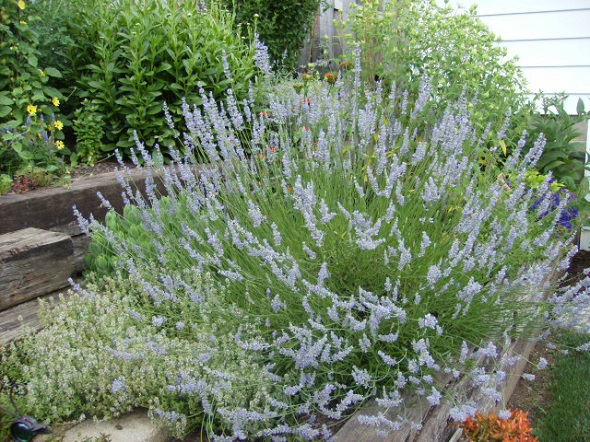
This year in my herb garden, I grew the biggest, most beautiful lavender plant that I have ever grown. Ohio is not the best place to grow lavender, as it usually likes a warmer climate. So many times my lavender has not returned after the winter. This plant was 3 years old and gorgeous! I purchased this lavender plant from companionplants.com who brings wonderful herbs to our annual plant sale every year. I think it was called Grosso Lavender. I harvested every flower and filled a laundry basket with them. I then watched a youtube video (my children would be proud to see that I used technology!) and I learned how to make a lavender wreath. Come into the store and see my creation. I confess it was harder to do than it looked in the video, but after three tries I had a wreath I could enjoy. I love to play in my garden, learning to make things that I can use, and share them with others. What fun!
Another way that I enjoy lavender is in tea. I like the Cup of Calm from Traditional Medicinals. This tea blend contains: passionflower, chamomile, lavender, catnip, rosemary, peppermint, spearmint, licorice, and stevia. It has a mild flavor and is deeply relaxing. I always keep it on the shelf at home and frequently share a cup in the store with someone who is a bit stressed and needs a friend. A box of this tea is the perfect addition to any “care package”, it makes a great gift!
Lavender is probably our best selling essential oil. It is well-known and appreciated for its many qualities. If you can afford only one essential oil, buy lavender. It is balancing, calming, relaxing, and helps you to sleep. Lavender oil is also anti-inflammatory, antibacterial, antiviral, antispasmodic, analgesic, and stimulating to the immune system. Lavender is great to have in a first aid kit, useful for wounds, rashes, bites, and burns. It is one of the essential oils that you can use “neat” or directly on the skin. It is often used in personal care products and works well in a diffuser for aromatherapy. Lavender is an excellent choice for use with children or the elderly.
Tension Headaches Inhaler – Open the empty inhaler and drop the essential oils directly onto the wick. Use 8 drops lavender, 5 drops marjoram, and 3 drops peppermint essential oil. Close tightly. To use the inhaler: slide off the cover, with one finger press closed the left nostril, inhale from the tube into the right nostril. Repeat on other side. Exhale thru the mouth. Repeat both sides again. Inhale as needed to ease headache, clear the brain, and lessen tension.
We carry the empty inhalers, and would be happy to assist you to make an inhaler at our “Blend Your Own Essential Oils Bar”. Stop in to the store and learn how to create something you can use yourself or give as a gift.

Women's Herbal Tea Recipe
This herbal tea has traditionally been used worldwide for its toning and nourishing qualities during pregnancy, breastfeeding, PMS and menopause.
This herbal tea has traditionally been used worldwide for its toning and nourishing qualities during pregnancy, breastfeeding, PMS and menopause.
To prepare tea: Mix the following herbs together and store in an airtight jar. Use ¼ cup of the herbs in a quart jar, cover with boiling water. Cover the jar and leave overnight. In the morning, strain tea, discarding the used herbs. You may dilute or sweeten tea if you like. Drink the quart of tea throughout the day.
Use 1 cup each: alfalfa, nettles, oatstraw, red raspberry leaves and ½ cup rose hips. My good friend likes to add peppermint leaves and stevia leaves to her tea mix, so you might want to try that variation too.
Alfalfa: one of the richest mineral foods in the world, contains calcium, magnesium, phosphorus, potassium, chlorophyll, biotin, chlorine, inositol, iron, PABA, sodium, sulfur, tryptophan, vitamins A, B complex, C E, and K. Restorative tonic which promotes pituitary gland function. It alkalizes the body, helping with arthritis, gout, and kidney function. It tones the intestines. Alfalfa is high in tryptophan, inducing better sleep. It is also antifungal.
Nettles: rich in chlorophyll, it contains iodine, magnesium, potassium, silicon, sodium, sulfur, vitamins A and C, facilitates absorption of vitamin D from the sun, proteins, iron and copper. Nettles tone and rebuild the adrenals. They help with energy levels, allergies, and kidneys. Nettles also improve muscle tone, reducing post-partum hemorrhage and vaginal tears. It promotes abundant breast milk. Nettles improve liver function, reducing jaundice, stabilizing blood sugar, and strengthening the nervous and immune systems.
Oatstraw: builds a strong resilient body, it contains calcium, high in vitamins A, C, B complex, phosphorus, potassium, and proteins. Oatstraw contains Avenin, an alkaloid which is highly nutritive to cells, improving reproduction. It is a premier food for the brain and nervous system, reducing anxiety, epilepsy, and assists addiction recovery. Oatstraw improves muscle tone, digestion, uterine function, back weakness, reducing leg cramps, and heart palpatations.
Red Raspberry: the most well-known pregnancy herb, it contains citric and malic acid, silicon, vitamins C, B, niacin, carotene, magnesium, manganese, molybdenum, selenium, and improves vitamin D absorption. Red raspberry tones the muscles, especially in the uterus, reducing spasms and improving labor contractions. It tones and nourishes the ovaries and is beneficial to the pituitary gland, helping to reduce nausea and morning sickness. It is also useful for menstrual cramps and hot flashes. Due to its astringent qualities, it is used for mouth ulcers, bleeding gums, hemorrhage, hemorrhoids and cold sores. Its high mineral content promotes healthy nails, bones, teeth, and skin. Red raspberry is an excellent tea for children with a natural source of vitamin C to help fight off a cold.
Rose Hips: a good all-around tonic, specifically used for the blood, nerves, and heart. Rose hips are excellent for nervous and stressful situations. It contains vitamins A, C, E, rutin and sodium. With high amounts of calcium, iron, selenium, magnesium, potassium, manganese, sulphur, and silicon. Trace amounts of vitamin D and zinc.

Chronic Eczema
Chronic skin problems such as eczema are challenging. They can be hereditary, allergies, or the result of toxin exposure. Always try to eliminate the cause if you can. In children, the most common allergies are cow's milk and eggs, so you might begin with eliminating those
I hope you had fun at the county fair this year. I know we enjoyed seeing all of you at our booth. It is nice to get away from routine, have a little fun, and of course eat fair food. I especially enjoyed hearing some of the success stories that customers took time to share with me. One in particular stood out to me, a child around 5 years old with severe eczema, a problem since birth.
Her mother shared the exciting news of how essential oils were making all the difference. She uses Dragon's Blood in coconut oil applied daily. I was pleased that she had no visible signs of eczema, what a blessing! Essential oils are amazing!
Chronic skin problems such as eczema are challenging. They can be hereditary, allergies, or the result of toxin exposure. Always try to eliminate the cause if you can. In children, the most common allergies are cow's milk and eggs, so you might begin with eliminating those. Use very gentle soaps and shampoos, such as castile, to eliminate chemicals. Many find it nice to make their own skin care products using healing essential oils and leaving out the chemicals. You also could do some internal cleansing with herbs such as burdock or red clover. A deficiency in omega-3 fatty acids may also contribute to the condition. Also, be sure to drink enough water. Try these blends for relief from dry, itchy, irritated skin and keep the skin moisturized so it doesn't crack and weep. (Recipes are from the book: the Complete Aromatherapy & Essential Oils Handbook for Everyday Wellness, by Nerys Purchon and Lora Cantele.)
DRY ECZEMA OIL BLEND
8 tsp. grapeseed, almond, or hemp oil
10 drops evening primrose oil
10 drops chamomile essential oil
5 drops myrrh essential oil
5 drops lavender essential oil
CREAM BLEND FOR WEEPING ECZEMA
¼ cup shea butter
15 drops lavender essential oil
15 drops frankincense essential oil
15 drops myrrh essential oil
10 drops chamomile essential oil
2 drops vitamin E oil